By Bruce Thein
Long before the Mississippi River became something people passed by, drove over or walked alongside, there was a moment when it was nearly something else entirely.
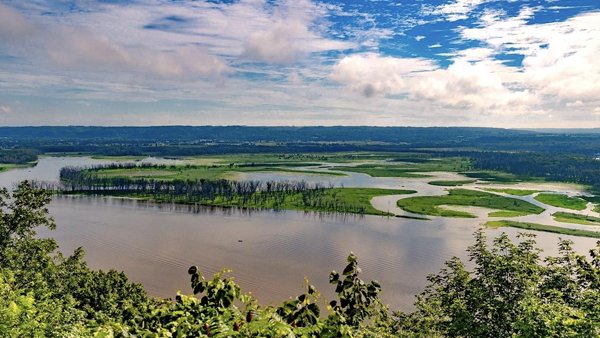
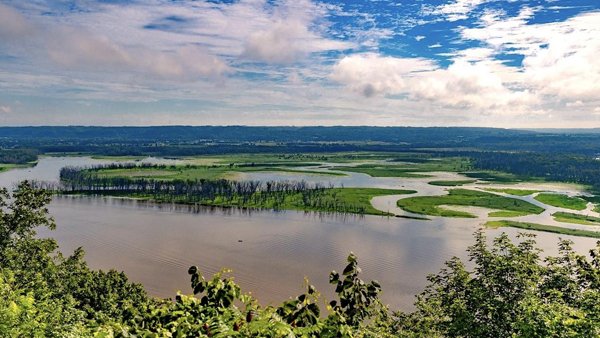
In 1929, a plan surfaced that could have changed the identity of river towns like Guttenberg forever. Leaders from Iowa, Wisconsin, Illinois and Minnesota began discussing the creation of a large national park along the Upper Mississippi River. It would have been a protected stretch of natural beauty that would have placed this region among the most recognized landscapes in the country. At the time, the idea carried real weight.
According to a Sept. 19, 1929 issue of The Guttenberg Press, northeastern Iowa was included in early discussions of the proposed park. In fact, support for the effort went a step further with the formation of the Northeastern Iowa National Park Association, an organization created to help advance the vision. The group reflected a growing belief that this stretch of the Mississippi River was worthy of national recognition and long-term preservation. At the time, it was more than a passing conversation. It was an organized effort.
As one account of the effort suggested, the goal was to preserve “one of the most scenic and historically significant stretches of the Mississippi River for the benefit of future generations.”
The vision centered on protecting the natural character of the river corridor while also opening the door to recreation and tourism. It suggested a future where places like Guttenberg would not just sit along the river, but possibly as a gateway entrance to a national park. But history has a way of shifting direction quickly.
Within weeks of that newspaper article being printed, the stock market crashed. The onset of the Great Depression forced priorities to change across the country. Ambitious, forward-looking projects like a multi-state national park became difficult to sustain, both politically and financially. The idea, once full of possibility, gradually disappeared from the conversation. In its place, a different future for the Mississippi River emerged.
By the 1930s, the construction of the lock and dam system began to reshape the river into a managed navigation channel. The focus turned toward commerce, flood control and reliability. The natural rhythm of the river was altered, and its role became more structured and less about preservation. For Guttenberg, the river remained central but in a more practical way.
Stand along the riverfront today, especially in the early morning or late evening, and it’s not difficult to understand what those planners in 1929 saw. What would Guttenberg look like today if that national park had become reality? Would it be a destination town, drawing visitors from across the country? Would its identity be tied more closely to recreation and conservation than to navigation and industry? There’s no way to know for certain.
What is clear is that the Mississippi River we see today was not the only path forward. At one point, there was a different vision, one that saw this stretch of river not just as a resource, but as a place worth protecting on a national scale. That vision never came to be.